

Through the Lens of Care: The Transformative Power of Photography in Patient Relationships
My journey into photography began as something quite personal, a hobby that rapidly morphed into an indispensable tool in my career. As a travel nurse, I’ve traversed countless hospitals and clinics, each with its own set of challenges and heartwarming moments. But one aspect remained constant—the unparalleled power of photography in forging and nurturing patient relationships. There's something magical about capturing a moment, a smile, a triumph, and sharing that with a patient or their family. It becomes a beacon of hope, a testament to their resilience, and often, a crucial part of the healing process.
It all started with a compact camera, gifted by a friend who noticed my penchant for documenting the little things during our travels. Initially, it was landscapes, sunsets, and street scenes that caught my eye. However, as I began my stint in pediatric oncology, the subject of my photographs shifted dramatically. I started capturing moments of joy amidst the pain, the smiles that broke through tears, and the brave faces of children undergoing treatment. These images became my way of communicating beyond words, showing patients and their families that amidst the struggle, there were moments worth celebrating.
Photography, in this context, is not just about creating visual memories. It's about connecting on a level that transcends the clinical environment, breaking down barriers between caregiver and patient. Through my lens, I've witnessed firsthand the transformative power of photography. A single photo can spark conversations, inspire hope, and even help in coping with the daunting journey of recovery.
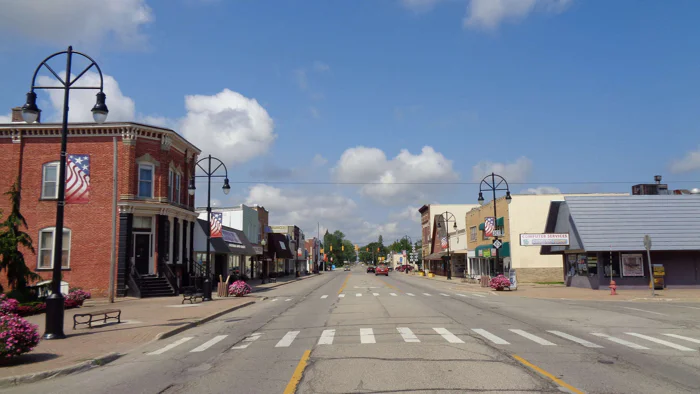

Obstetrics and Gynecology NP in Bad Axe, MI
- Certification: NP
- Setting: Outpatient
- PT/FT: Full Time
- Shift: Days Clinic Monday - Friday 8:00 am - 5:00 pm, every other week.
- Days Per Week: 5
- Hours per Week: 40


Gastroenterology in Bay City, MI
- Certification:
- Setting: Inpatient
- PT/FT: Full Time
- Shift: Varied Schedule is Monday 7am - Friday 7pm call. No weekend call.
- Days Per Week: 3
- Hours per Week: 36
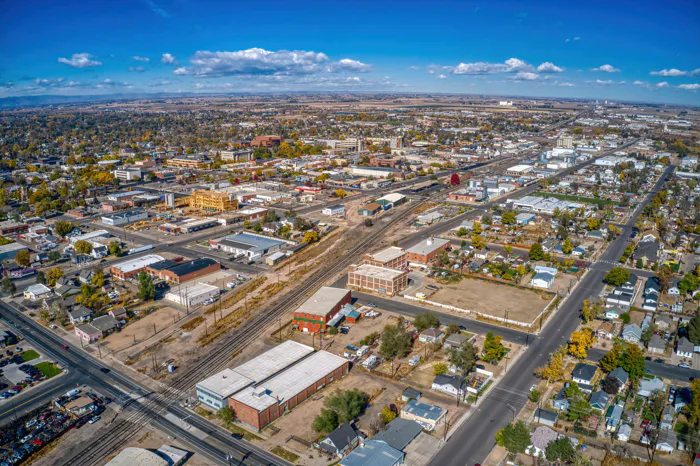
Hematology and Oncology MD, DO in Greeley, CO

Radiologist - Interventional in Berea, OH
Psychologist in Lee's Summit, MT
The Lens as a Bridge: Connecting Hearts in Healthcare
The incorporation of photography into patient care has become increasingly popular, and rightly so. A study in 2021 showed that visual art interventions, including photography, significantly reduced stress and anxiety in patients undergoing chemotherapy["]. This highlights not only the emotional but also the tangible health benefits of integrating visual storytelling into healthcare. In my experience, nothing bridges the gap between the impersonal aspects of medical treatment and human connection quite like a photograph.
Equipping ourselves with a camera, be it a professional DSLR or the one on our smartphones, enables us to capture the essence of our patients’ journeys. It’s like freezing a moment that tells a story of bravery, love, and sometimes, bittersweet farewells. These stories, woven together through a series of images, craft a narrative that can profoundly impact both the patient's and their family’s experience in the healthcare setting.
Obstetrics and Gynecology NP in Bad Axe, MI
- Certification: NP
- Setting: Outpatient
- PT/FT: Full Time
- Shift: Days Clinic Monday - Friday 8:00 am - 5:00 pm, every other week.
- Days Per Week: 5
- Hours per Week: 40
Gastroenterology in Bay City, MI
- Certification:
- Setting: Inpatient
- PT/FT: Full Time
- Shift: Varied Schedule is Monday 7am - Friday 7pm call. No weekend call.
- Days Per Week: 3
- Hours per Week: 36
Hematology and Oncology MD, DO in Greeley, CO
Radiologist - Interventional in Berea, OH
Psychologist in Lee's Summit, MT
Shooting Stars: Capturing Hope in Hospital Corridors
In the dimly lit corridors of a hospital, where sorrow often treads, photography shines as a beacon of hope. It’s during these moments, camera in hand, that I’ve felt most connected to the patients and their stories. One particular instance stands out—capturing the celebration of a young boy's last chemotherapy session. The joy was uncontainable, not only for him but for every staff member involved in his care.
Why Photography Matters in Patient Care:
- Builds a compassionate narrative beyond clinical care.
- Acts as a medium for patients to express their emotions.
- Enables families to see beyond the illness, to moments of joy and achievement.
- Aids in the emotional recovery of patients and families.
- Supports the healing process by focusing on positive experiences.
- Strengthens the bond between caregivers and patients.
- Documents milestones in a patient's journey of recovery.
These moments, framed and displayed, serve as constant reminders of why we do what we do. They're not just pictures but milestones of resilience and hope, captured through the lens of empathy and care.
Obstetrics and Gynecology NP in Bad Axe, MI
- Certification: NP
- Setting: Outpatient
- PT/FT: Full Time
- Shift: Days Clinic Monday - Friday 8:00 am - 5:00 pm, every other week.
- Days Per Week: 5
- Hours per Week: 40
Gastroenterology in Bay City, MI
- Certification:
- Setting: Inpatient
- PT/FT: Full Time
- Shift: Varied Schedule is Monday 7am - Friday 7pm call. No weekend call.
- Days Per Week: 3
- Hours per Week: 36
Hematology and Oncology MD, DO in Greeley, CO
Radiologist - Interventional in Berea, OH
Psychologist in Lee's Summit, MT
Visions of Hope: Through My Lens
As I reflect on my path with photography in healthcare, it's clear that the camera is more than just a tool; it's a companion on a deeply human journey. Each click captures not just a moment, but a story, an emotion, a piece of someone’s life. Photography has enabled me to step into the lives of my patients with a unique perspective, allowing me to share their stories of courage, struggle, and joy.
But perhaps the most profound lesson has been in recognizing the impact these images can have on the individuals we care for. They're not just reminders of what was; they're beacons of what can be. They signify hope, strength, and the possibility of moments filled with laughter and love, even in the toughest times. As I continue this journey, I am grateful for the connection and understanding that photography has brought into my relationships with patients.
In closing, through the lens of care, photography has the power to transform patient relationships, imbue them with hope, and chart a path towards healing. It's a journey of shared experiences, a story told in pictures, each one a testament to the resilience of the human spirit.
Browse Top Paying Provider Services Jobs
Obstetrics and Gynecology NP in Bad Axe, MI
- Certification: NP
- Setting: Outpatient
- PT/FT: Full Time
- Shift: Days Clinic Monday - Friday 8:00 am - 5:00 pm, every other week.
- Days Per Week: 5
- Hours per Week: 40
Gastroenterology in Bay City, MI
- Certification:
- Setting: Inpatient
- PT/FT: Full Time
- Shift: Varied Schedule is Monday 7am - Friday 7pm call. No weekend call.
- Days Per Week: 3
- Hours per Week: 36
Hematology and Oncology MD, DO in Greeley, CO
Radiologist - Interventional in Berea, OH


