

Guardians of Growth: Charting the Evolution of Healthcare Roles in a Changing World
In the vast expanse of history, the guardians of health have always stood as pillars of society, evolving through ages steeped in mysticism into the complex, multifaceted roles we recognize today. From the shaman's firelit hut to the gleaming halls of modern hospitals, the journey has been long and fraught with both triumph and tragedy. The story of healthcare professionals is not just a chronicle of scientific advancement; it's a tapestry woven with the determination, compassion, and resilience of those who have dedicated their lives to the wellbeing of others.
This voyage began in times when medicine was synonymous with magic and healing was often a matter of faith as much as it was of knowledge. Ancient healers, armed with herbs and the incantations of their people, laid the foundation for what would become a ceaseless quest for understanding the human body and the myriad ways it can falter. But as civilizations grew, so too did the complexity of their healthcare needs, leading to the emergence of specialized roles within the healing arts.
The ancient Greeks, with their meticulous attention to the body and the mind, gave us the earliest glimpses of modern medicine. Hippocrates, often revered as the 'Father of Western Medicine,' emphasized the importance of observation and deductive reasoning in treatment, principles that resonate in the halls of healthcare to this day. Centuries rolled on, and with them, the evolution of these roles continued, propelled forward by waves of innovation and discovery that reshaped our understanding of health and disease.
As we stand in the 21st century, the healthcare landscape is more diverse and dynamic than ever. The modern healthcare warrior is not just a physician or nurse; they are a technologist, a researcher, an educator, and, perhaps most importantly, a constant learner. The proliferation of digital technology in healthcare has opened new frontiers for treatment and patient care, creating roles that would have been unimaginable just a few decades ago.
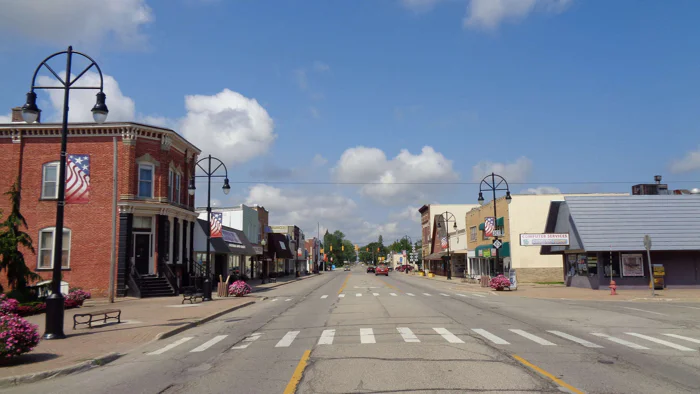

Obstetrics and Gynecology NP in Bad Axe, MI
- Certification: NP
- Setting: Outpatient
- PT/FT: Full Time
- Shift: Days Clinic Monday - Friday 8:00 am - 5:00 pm, every other week.
- Days Per Week: 5
- Hours per Week: 40


Gastroenterology in Bay City, MI
- Certification:
- Setting: Inpatient
- PT/FT: Full Time
- Shift: Varied Schedule is Monday 7am - Friday 7pm call. No weekend call.
- Days Per Week: 3
- Hours per Week: 36
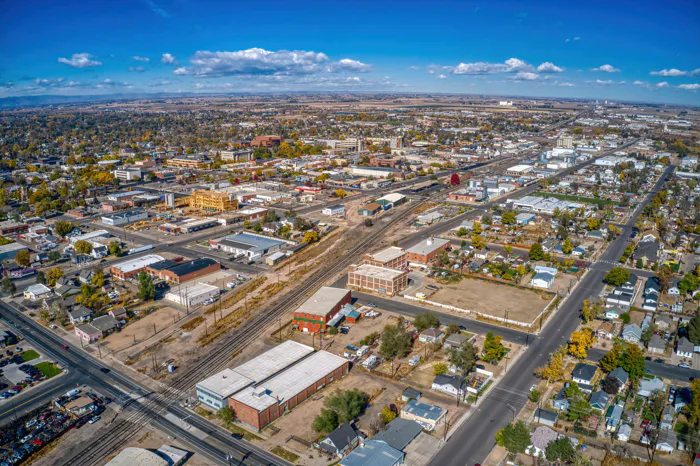
Hematology and Oncology MD, DO in Greeley, CO

Radiologist - Interventional in Berea, OH
Psychologist in Lee's Summit, MT
The Digital Dawn: Healthcare's New Frontier
The dawn of the digital era has ushered in a revolution within healthcare unlike any seen before. The introduction of electronic health records (EHRs), telemedicine, and AI-driven diagnostics has not only transformed patient care but has also opened up a realm of possibilities for healthcare professionals. Gone are the days when paper charts and long patient waits were the norms. Today, a travel nurse can monitor a patient's health remotely, adjusting care plans in real-time thanks to these digital advancements.
This shift towards a more connected, efficient, and patient-centered system has necessitated new skills and roles within the healthcare industry. From IT specialists designing secure databases to nurses skilled in telehealth, the digital revolution has broadened the scope of healthcare careers, making it an exciting time to be part of this field. But with great power comes great responsibility; the ethical implications of digital health, especially in terms of patient privacy and security, are hotly debated topics, highlighting the need for continuous learning and adaptation among healthcare professionals.
Indeed, this digital shift has not been without its challenges. The integration of AI and machine learning into diagnostic processes, for example, has raised questions about the role of the physician and the potential for technology to supplement, or even supplant, human judgment. Yet, for many in the field, these advancements are seen not as threats but as invaluable tools that enhance their ability to care for patients. As one study in 2021 revealed, the use of telehealth services skyrocketed, showcasing the potential of remote care in addressing healthcare disparities.
Obstetrics and Gynecology NP in Bad Axe, MI
- Certification: NP
- Setting: Outpatient
- PT/FT: Full Time
- Shift: Days Clinic Monday - Friday 8:00 am - 5:00 pm, every other week.
- Days Per Week: 5
- Hours per Week: 40
Gastroenterology in Bay City, MI
- Certification:
- Setting: Inpatient
- PT/FT: Full Time
- Shift: Varied Schedule is Monday 7am - Friday 7pm call. No weekend call.
- Days Per Week: 3
- Hours per Week: 36
Hematology and Oncology MD, DO in Greeley, CO
Radiologist - Interventional in Berea, OH
Psychologist in Lee's Summit, MT
Global Health Challenges and the Response of Healthcare Professionals
In the face of these adversities, several key responses have emerged:
- Innovative delivery models, such as mobile health clinics and telehealth services, have been developed to extend care to underserved populations.
- Educational initiatives focused on preventive care and public health awareness have gained traction, empowering individuals and communities to take charge of their health.
- Interdisciplinary collaboration among healthcare professionals has become critical, fostering a holistic approach to patient care that transcends traditional boundaries.
- Research into novel treatments and vaccines has accelerated, exemplifying the relentless pursuit of solutions to emerging health threats.
- Sustainability practices in healthcare settings are being implemented to mitigate the environmental impact of medical operations.
- Advocacy for equitable access to healthcare has intensified, highlighting the importance of addressing social determinants of health.
Obstetrics and Gynecology NP in Bad Axe, MI
- Certification: NP
- Setting: Outpatient
- PT/FT: Full Time
- Shift: Days Clinic Monday - Friday 8:00 am - 5:00 pm, every other week.
- Days Per Week: 5
- Hours per Week: 40
Gastroenterology in Bay City, MI
- Certification:
- Setting: Inpatient
- PT/FT: Full Time
- Shift: Varied Schedule is Monday 7am - Friday 7pm call. No weekend call.
- Days Per Week: 3
- Hours per Week: 36
Hematology and Oncology MD, DO in Greeley, CO
Radiologist - Interventional in Berea, OH
Psychologist in Lee's Summit, MT
Empowering the Next Generation of Healthcare Professionals
As the sun sets on one era of healthcare and dawns on another, the baton is passed to a new generation of guardians of health, brimming with promise and potential. These aspiring physicians, nurses, and technologists face a world vastly different from that of their predecessors—a world where technology and humanity intersect more intricately than ever before.
The responsibilities of these future healthcare professionals are immense, yet so are the opportunities. Equipped with historical knowledge, cutting-edge technology, and a burning passion to make a difference, they are poised to push the boundaries of what is possible in healthcare. Their journey will be filled with challenges, but with resilience, innovation, and a deep commitment to compassion, they will continue to influence the trajectory of global health in profound ways.
In conclusion, the evolution of healthcare roles from the ancients to the digital age serves as a testament to human ingenuity and the indomitable spirit of those devoted to the service of others. As we look forward, one thing is certain: the guardians of growth will continue to shape our world, ensuring that the flame of hope and healing burns brightly for generations to come.
Browse Top Paying Provider Services Jobs
Obstetrics and Gynecology NP in Bad Axe, MI
- Certification: NP
- Setting: Outpatient
- PT/FT: Full Time
- Shift: Days Clinic Monday - Friday 8:00 am - 5:00 pm, every other week.
- Days Per Week: 5
- Hours per Week: 40
Gastroenterology in Bay City, MI
- Certification:
- Setting: Inpatient
- PT/FT: Full Time
- Shift: Varied Schedule is Monday 7am - Friday 7pm call. No weekend call.
- Days Per Week: 3
- Hours per Week: 36
Hematology and Oncology MD, DO in Greeley, CO
Radiologist - Interventional in Berea, OH


