

Greening the Ranks: Sustainability's Role in Allied Staffing
The world of healthcare staffing is undergoing a tremendous evolution, one that mirrors the broader societal shifts towards environmental consciousness. As someone who’s dipped their toes in the healthcare staffing pool, I've observed this seismic shift with both admiration and a bit of awe. Sustainability is no longer a buzzword or an 'add-on' in allied staffing; it's becoming a core component of the industry’s identity.
This transformation isn’t just about switching off lights or recycling more. It delves deeper, touching on how allied health professionals can contribute to a more sustainable world, both in their personal lives and within their professional roles. For instance, a 2022 study highlighted a growing trend among healthcare facilities to reduce their carbon footprint by adopting green procurement practices and emphasizing telehealth services, thereby minimizing the need for travel.
Moreover, an increasing number of travel nurses are expressing a strong preference for assignments in locations known for their environmental initiatives. The allure of contributing to these innovative practices, while pursuing their passion in the healthcare sector, is a potent combination. It's reshaping how positions are filled and how healthcare staffing agencies operate. The days are long gone when the only considerations were salary and location; now, the environmental impact is just as pivotal.
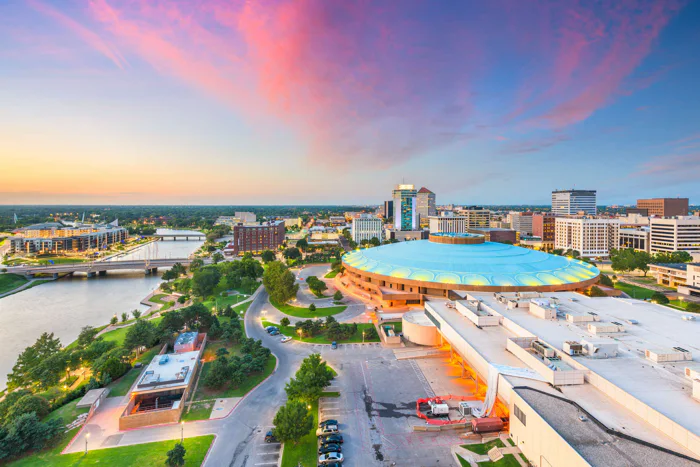

Travel Physical Therapist in Wichita, KS
- Medical, Dental & Vision Insurance
- Stipend for Qualified Candidates
- Dedicated Recruiter Available 24/7
- Onboarding Specialist for a Smooth Start
- Reliable Payroll Team for Timely Payments

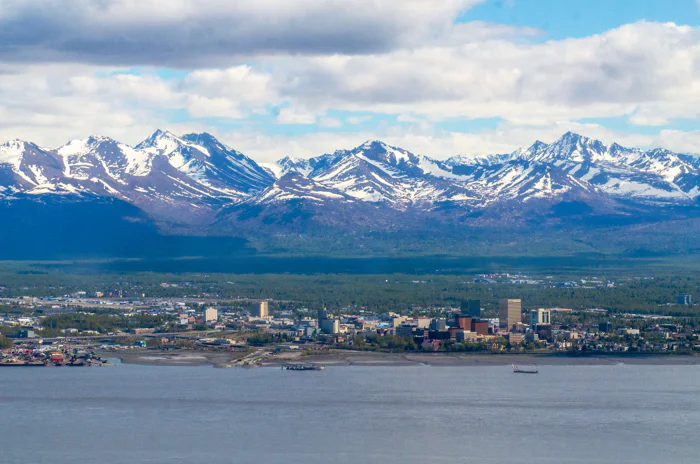
Travel Physical Therapist in Anchorage, AK
- Medical, Dental & Vision Insurance
- Stipend for Qualified Candidates
- Dedicated Recruiter Available 24/7
- Onboarding Specialist for a Smooth Start
- Reliable Payroll Team for Timely Payments

Travel Mammography in Salinas, CA
- Medical, Dental & Vision Insurance
- Stipend for Qualified Candidates
- Dedicated Recruiter Available 24/7
- Onboarding Specialist for a Smooth Start
- Reliable Payroll Team for Timely Payments

Travel Cardiac Cath Lab Tech in Albany, NY
- Medical, Dental & Vision Insurance
- Stipend for Qualified Candidates
- Dedicated Recruiter Available 24/7
- Onboarding Specialist for a Smooth Start
- Reliable Payroll Team for Timely Payments

Travel Dosimetrist in Berkeley, CA
- Medical, Dental & Vision Insurance
- Stipend for Qualified Candidates
- Dedicated Recruiter Available 24/7
- Onboarding Specialist for a Smooth Start
- Reliable Payroll Team for Timely Payments
Digitizing Green Practices: Tech’s Role in Eco-Friendly Healthcare
From electronic health records to telehealth appointments, the push towards digital healthcare solutions is not only making healthcare more accessible but also more environmentally friendly. Take telehealth, for instance. A virtual consultation eliminates the need for both the healthcare provider and the patient to travel, leading to substantial reductions in carbon emissions. And let’s not forget about the immense savings in paper usage thanks to electronic health records.
Interestingly, a recent survey found that over 60% of healthcare professionals believe digital health tools have significantly contributed to reducing their facility's environmental impact. This transition to digital not only resonates with the eco-conscious principles many individuals hold dearly but also ushers in efficiencies that traditional methods struggled to match.
Travel Physical Therapist in Wichita, KS
- Medical, Dental & Vision Insurance
- Stipend for Qualified Candidates
- Dedicated Recruiter Available 24/7
- Onboarding Specialist for a Smooth Start
- Reliable Payroll Team for Timely Payments
Travel Physical Therapist in Anchorage, AK
- Medical, Dental & Vision Insurance
- Stipend for Qualified Candidates
- Dedicated Recruiter Available 24/7
- Onboarding Specialist for a Smooth Start
- Reliable Payroll Team for Timely Payments
Travel Mammography in Salinas, CA
- Medical, Dental & Vision Insurance
- Stipend for Qualified Candidates
- Dedicated Recruiter Available 24/7
- Onboarding Specialist for a Smooth Start
- Reliable Payroll Team for Timely Payments
Travel Cardiac Cath Lab Tech in Albany, NY
- Medical, Dental & Vision Insurance
- Stipend for Qualified Candidates
- Dedicated Recruiter Available 24/7
- Onboarding Specialist for a Smooth Start
- Reliable Payroll Team for Timely Payments
Travel Dosimetrist in Berkeley, CA
- Medical, Dental & Vision Insurance
- Stipend for Qualified Candidates
- Dedicated Recruiter Available 24/7
- Onboarding Specialist for a Smooth Start
- Reliable Payroll Team for Timely Payments
Breaking it Down: What Sustainability Means for You
Understanding the role of sustainability in your allied staffing career might seem daunting, but it’s pretty straightforward when you break it down.
- Choosing assignments in green-conscious facilities emphasizes your commitment to sustainability.
- Opting for digital reports and communication reduces your carbon footprint significantly.
- Engaging in community eco-friendly projects adds value beyond your professional sphere.
- Supporting and advocating for green policies within your workplace contributes to a larger change.
- Embracing minimalistic living while on assignment can be both a personal and environmental boon.
- Using public transportation or carpooling to your workplace is a simple yet effective eco-friendly choice.
Travel Physical Therapist in Wichita, KS
- Medical, Dental & Vision Insurance
- Stipend for Qualified Candidates
- Dedicated Recruiter Available 24/7
- Onboarding Specialist for a Smooth Start
- Reliable Payroll Team for Timely Payments
Travel Physical Therapist in Anchorage, AK
- Medical, Dental & Vision Insurance
- Stipend for Qualified Candidates
- Dedicated Recruiter Available 24/7
- Onboarding Specialist for a Smooth Start
- Reliable Payroll Team for Timely Payments
Travel Mammography in Salinas, CA
- Medical, Dental & Vision Insurance
- Stipend for Qualified Candidates
- Dedicated Recruiter Available 24/7
- Onboarding Specialist for a Smooth Start
- Reliable Payroll Team for Timely Payments
Travel Cardiac Cath Lab Tech in Albany, NY
- Medical, Dental & Vision Insurance
- Stipend for Qualified Candidates
- Dedicated Recruiter Available 24/7
- Onboarding Specialist for a Smooth Start
- Reliable Payroll Team for Timely Payments
Travel Dosimetrist in Berkeley, CA
- Medical, Dental & Vision Insurance
- Stipend for Qualified Candidates
- Dedicated Recruiter Available 24/7
- Onboarding Specialist for a Smooth Start
- Reliable Payroll Team for Timely Payments
The Ripple Effect: How Your Green Choices Impact Healthcare
The journey towards greening the healthcare sector is akin to navigating a vast ocean: every small action can create ripples that expand far beyond the initial splash. By choosing to work in environmentally friendly settings, advocating for sustainable practices, and living a green lifestyle, allied health professionals are not only contributing to the planet’s health but also setting a precedent for future generations.
In this light, the individual choices we make can significantly shape the healthcare landscape. It serves as a powerful reminder that sustainability, in all its forms, is not just an obligation but an opportunity to innovatively contribute to the world we live in.
As we look towards the future, it's clear that sustainability will remain a key pillar in allied staffing, shaping policies, preferences, and practices. The collective embrace of environmentally friendly measures marks a pivotal step in ensuring a healthier planet and, consequently, a healthier population.
The journey is ongoing, and each step, no matter how small, is a stride towards a greener, more sustainable healthcare industry.
Browse Top Paying Allied Staffing Jobs
Travel Physical Therapist in Wichita, KS
- Medical, Dental & Vision Insurance
- Stipend for Qualified Candidates
- Dedicated Recruiter Available 24/7
- Onboarding Specialist for a Smooth Start
- Reliable Payroll Team for Timely Payments
Travel Physical Therapist in Anchorage, AK
- Medical, Dental & Vision Insurance
- Stipend for Qualified Candidates
- Dedicated Recruiter Available 24/7
- Onboarding Specialist for a Smooth Start
- Reliable Payroll Team for Timely Payments
Travel Mammography in Salinas, CA
- Medical, Dental & Vision Insurance
- Stipend for Qualified Candidates
- Dedicated Recruiter Available 24/7
- Onboarding Specialist for a Smooth Start
- Reliable Payroll Team for Timely Payments
Travel Cardiac Cath Lab Tech in Albany, NY
- Medical, Dental & Vision Insurance
- Stipend for Qualified Candidates
- Dedicated Recruiter Available 24/7
- Onboarding Specialist for a Smooth Start
- Reliable Payroll Team for Timely Payments
Travel Dosimetrist in Berkeley, CA
- Medical, Dental & Vision Insurance
- Stipend for Qualified Candidates
- Dedicated Recruiter Available 24/7
- Onboarding Specialist for a Smooth Start
- Reliable Payroll Team for Timely Payments


