

From Concert Pits to Clinics: Audiologists Tuning into the Touring World
The world of sound is vast and varied, stretching from the serene silence of a library to the raucous decibels of a rock concert. Yet, in these contrasting environments, there is a thread that connects them - the preservation and care of our hearing. This article delves into the not-so-heard-of world of touring audiologists, professionals who have swapped the clinic's quiet for the roaring life on the road. Imagine, if you will, these unsung heroes moving from concert pits to clinic rooms, tuning not only instruments but also ensuring the longevity of one of our most precious senses - hearing.
Our journey begins backstage, far from the spotlight yet closer to the action than most. Here, audiologists work in what could be considered the epitome of fieldwork, blending their clinical expertise with a passion for music. It's not an easy job. The erratic schedules, constant travel, and exposure to high decibel levels would test anyone's mettle. But for these dedicated professionals, the rewards far outweigh the challenges. They're not just attending concerts; they're making a tangible difference in the lives of the artists and crew members they serve.
A recent study in 2021 highlighted an alarming fact: musicians are almost four times more likely to suffer from hearing loss compared to the general public. This statistic alone underscores the vital role audiologists play in the touring world. Without their intervention, the music scene as we know it could be at risk, with artists facing premature ends to their careers.
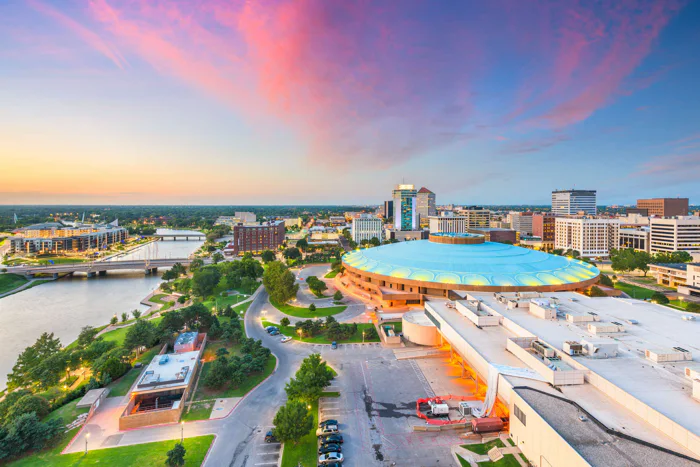

Travel Physical Therapist in Wichita, KS
- Medical, Dental & Vision Insurance
- Stipend for Qualified Candidates
- Dedicated Recruiter Available 24/7
- Onboarding Specialist for a Smooth Start
- Reliable Payroll Team for Timely Payments


Travel Physical Therapist in Anchorage, AK
- Medical, Dental & Vision Insurance
- Stipend for Qualified Candidates
- Dedicated Recruiter Available 24/7
- Onboarding Specialist for a Smooth Start
- Reliable Payroll Team for Timely Payments
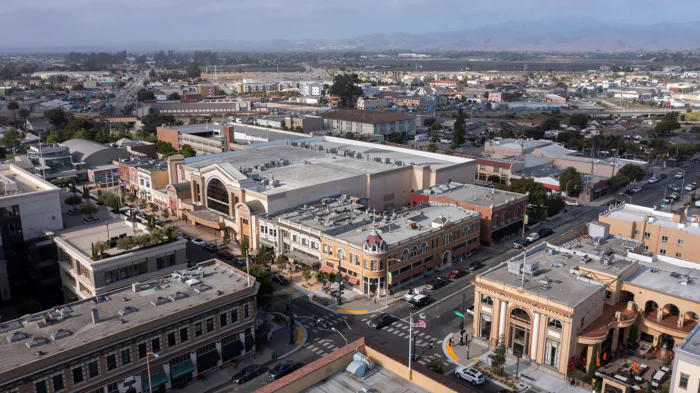
Travel Mammography in Salinas, CA
- Medical, Dental & Vision Insurance
- Stipend for Qualified Candidates
- Dedicated Recruiter Available 24/7
- Onboarding Specialist for a Smooth Start
- Reliable Payroll Team for Timely Payments

Travel Cardiac Cath Lab Tech in Albany, NY
- Medical, Dental & Vision Insurance
- Stipend for Qualified Candidates
- Dedicated Recruiter Available 24/7
- Onboarding Specialist for a Smooth Start
- Reliable Payroll Team for Timely Payments

Travel Dosimetrist in Berkeley, CA
- Medical, Dental & Vision Insurance
- Stipend for Qualified Candidates
- Dedicated Recruiter Available 24/7
- Onboarding Specialist for a Smooth Start
- Reliable Payroll Team for Timely Payments
The Symphony of Challenges and Triumphs
Audiology on tour is much like playing a complex musical piece, requiring both precision and adaptability. Each venue presents its own acoustical challenges, from outdoor amphitheaters to enclosed arenas, making the audiologist's task akin to tuning an instrument in a constantly changing environment. One day may involve emergency interventions for a crew member experiencing sudden hearing loss, while another could be filled with preventative measures for the entire band.
The life of a touring audiologist is steeped in unpredictability, but therein lies the thrill. It's not just about protecting hearing; it's about enhancing the musical experience for everyone involved. I recall a time when quick thinking and a make-do attitude turned a potential disaster into a memorable victory. During a particularly raucous concert, a lead singer lost their in-ear monitor. With no spare available, I managed to fashion a temporary solution that not only saved the performance but also protected the artist's hearing.
In this role, communication is key. Clear explanations and trust-building go a long way in ensuring compliance with hearing protection protocols. It's a partnership, really, between the audiologist and the touring crew, each dedicated to keeping the music alive and well.
- Emergency hearing interventions
- Custom earplug fittings
- In-ear monitor adjustments
- Daily decibel monitoring
- Education on hearing conservation
- Long-term hearing health planning for artists
- Adapting to different acoustic environments
Travel Physical Therapist in Wichita, KS
- Medical, Dental & Vision Insurance
- Stipend for Qualified Candidates
- Dedicated Recruiter Available 24/7
- Onboarding Specialist for a Smooth Start
- Reliable Payroll Team for Timely Payments
Travel Physical Therapist in Anchorage, AK
- Medical, Dental & Vision Insurance
- Stipend for Qualified Candidates
- Dedicated Recruiter Available 24/7
- Onboarding Specialist for a Smooth Start
- Reliable Payroll Team for Timely Payments
Travel Mammography in Salinas, CA
- Medical, Dental & Vision Insurance
- Stipend for Qualified Candidates
- Dedicated Recruiter Available 24/7
- Onboarding Specialist for a Smooth Start
- Reliable Payroll Team for Timely Payments
Travel Cardiac Cath Lab Tech in Albany, NY
- Medical, Dental & Vision Insurance
- Stipend for Qualified Candidates
- Dedicated Recruiter Available 24/7
- Onboarding Specialist for a Smooth Start
- Reliable Payroll Team for Timely Payments
Travel Dosimetrist in Berkeley, CA
- Medical, Dental & Vision Insurance
- Stipend for Qualified Candidates
- Dedicated Recruiter Available 24/7
- Onboarding Specialist for a Smooth Start
- Reliable Payroll Team for Timely Payments
Hearing Health: A Harmonious Blend of Science and Compassion
According to a 2022 survey, the majority of concert-goers are unaware of the potential hearing risks associated with live music events. This lack of awareness extends to many within the industry itself, making the role of the touring audiologist even more critical. Through education and advocacy, they're not just safeguarding hearing; they're changing the culture of music, one ear at a time.
Travel Physical Therapist in Wichita, KS
- Medical, Dental & Vision Insurance
- Stipend for Qualified Candidates
- Dedicated Recruiter Available 24/7
- Onboarding Specialist for a Smooth Start
- Reliable Payroll Team for Timely Payments
Travel Physical Therapist in Anchorage, AK
- Medical, Dental & Vision Insurance
- Stipend for Qualified Candidates
- Dedicated Recruiter Available 24/7
- Onboarding Specialist for a Smooth Start
- Reliable Payroll Team for Timely Payments
Travel Mammography in Salinas, CA
- Medical, Dental & Vision Insurance
- Stipend for Qualified Candidates
- Dedicated Recruiter Available 24/7
- Onboarding Specialist for a Smooth Start
- Reliable Payroll Team for Timely Payments
Travel Cardiac Cath Lab Tech in Albany, NY
- Medical, Dental & Vision Insurance
- Stipend for Qualified Candidates
- Dedicated Recruiter Available 24/7
- Onboarding Specialist for a Smooth Start
- Reliable Payroll Team for Timely Payments
Travel Dosimetrist in Berkeley, CA
- Medical, Dental & Vision Insurance
- Stipend for Qualified Candidates
- Dedicated Recruiter Available 24/7
- Onboarding Specialist for a Smooth Start
- Reliable Payroll Team for Timely Payments
A Resonating Impact: The Future of Music and Hearing Health
The future of music lies not only in the hands of artists and producers but also within the dedicated realm of those who work tirelessly to protect the hearing health of the industry. As awareness grows and technology advances, the potential to minimize hearing loss while maximizing musical enjoyment seems within reach. Yet, this hopeful future hinges on the continued collaboration between musicians, audiologists, and fans alike.
The role of the touring audiologist is evolving, combining traditional methods with innovative technologies to meet the unique needs of the touring environment. This profession is a testament to the power of passion and perseverance, proving that with the right approach, it's possible to rock out without rolling into hearing loss.
As we close the curtain on this exploration, remember, the next time you enjoy a live concert, there’s a high chance that a touring audiologist was behind the scenes, tuning the experience to perfection. Their work is a crucial note in the symphony of the music industry, ensuring that the music plays on, for all to hear, for years to come.
Browse Top Paying Allied Staffing Jobs
Travel Physical Therapist in Wichita, KS
- Medical, Dental & Vision Insurance
- Stipend for Qualified Candidates
- Dedicated Recruiter Available 24/7
- Onboarding Specialist for a Smooth Start
- Reliable Payroll Team for Timely Payments
Travel Physical Therapist in Anchorage, AK
- Medical, Dental & Vision Insurance
- Stipend for Qualified Candidates
- Dedicated Recruiter Available 24/7
- Onboarding Specialist for a Smooth Start
- Reliable Payroll Team for Timely Payments
Travel Mammography in Salinas, CA
- Medical, Dental & Vision Insurance
- Stipend for Qualified Candidates
- Dedicated Recruiter Available 24/7
- Onboarding Specialist for a Smooth Start
- Reliable Payroll Team for Timely Payments
Travel Cardiac Cath Lab Tech in Albany, NY
- Medical, Dental & Vision Insurance
- Stipend for Qualified Candidates
- Dedicated Recruiter Available 24/7
- Onboarding Specialist for a Smooth Start
- Reliable Payroll Team for Timely Payments
Travel Dosimetrist in Berkeley, CA
- Medical, Dental & Vision Insurance
- Stipend for Qualified Candidates
- Dedicated Recruiter Available 24/7
- Onboarding Specialist for a Smooth Start
- Reliable Payroll Team for Timely Payments


